
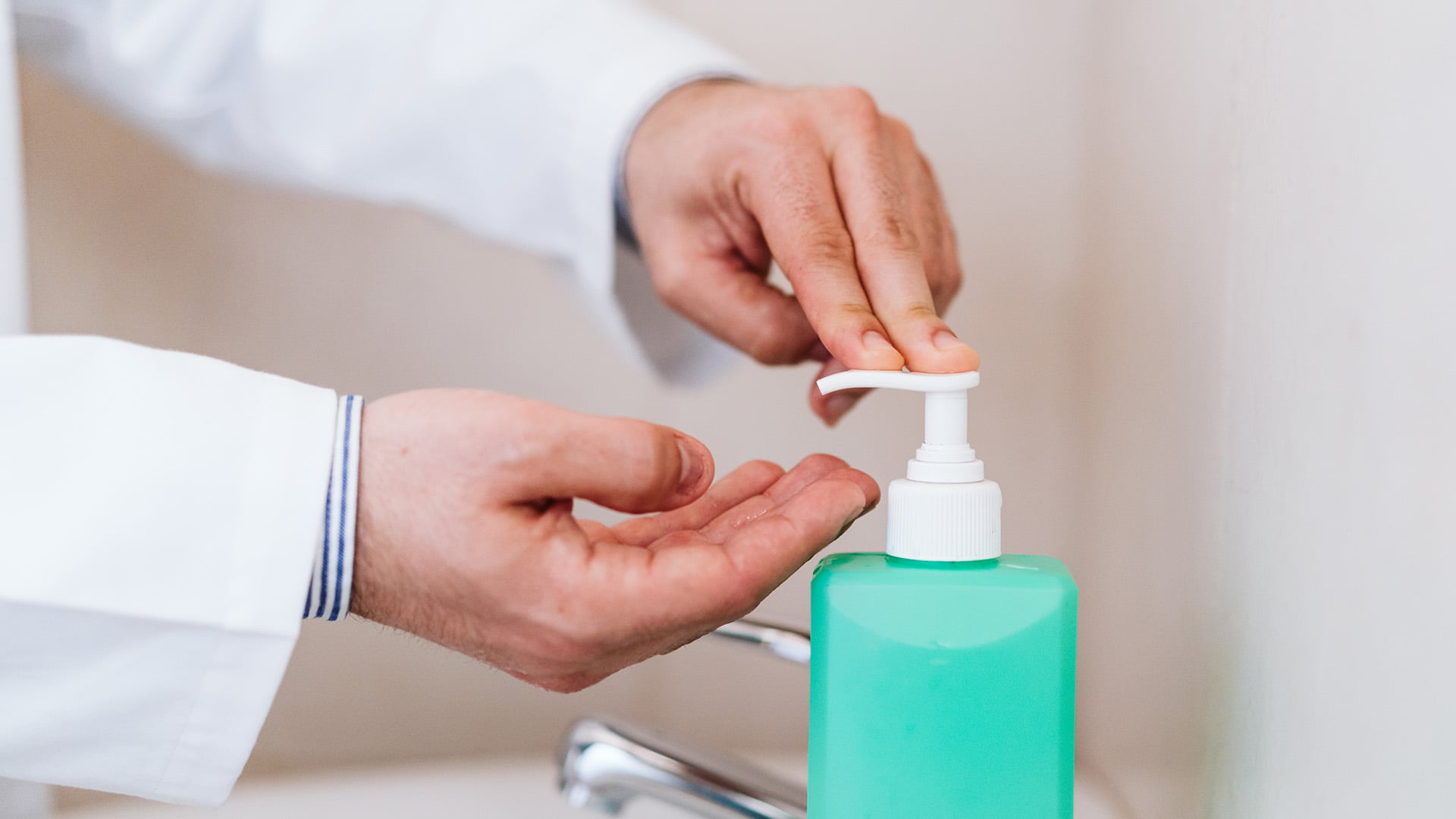
International Infection Prevention Week offers an opportunity to recognize the professionals who protect residents, patients, staff, and communities from infection every day. The 2026 theme, “Generations of Infection Prevention | Past. Present. Protected.” reflects how decades of knowledge, experience, and evolving practices continue to shape safer healthcare today.
In long-term care, that work is especially important. Nursing home residents often have complex medical needs, chronic conditions, wounds, indwelling devices, or other factors that can increase their vulnerability to infection. At the same time, nursing homes are communities where residents live, socialize, dine, participate in activities, and receive care. Effective infection prevention must protect residents while supporting the quality of life that makes a nursing home a home.
Achieving that balance takes much more than an infection control manual. It requires reliable systems, informed staff, strong surveillance, consistent practices, and a culture where everyone understands their role.
From Infection Control to Infection Prevention
The field has evolved considerably over time. Infection prevention today extends well beyond responding to an outbreak after it occurs. The focus is increasingly proactive: understanding risks, monitoring trends, strengthening routine practices, recognizing changes early, and creating systems that make the safest action the expected action.
In nursing homes, those systems include hand hygiene, appropriate use of personal protective equipment, environmental cleaning, wound and catheter care, respiratory precautions, antibiotic stewardship, surveillance, reporting, vaccination practices, and early identification of infection.
None of these responsibilities belongs to the infection preventionist alone.
A CNA performing resident care, a nurse assessing a change in condition, an environmental services employee disinfecting shared equipment, a dietary employee following food safety practices, and a leader reviewing infection data are all contributing to the same goal. Infection prevention works best when it becomes part of how the entire organization operates.
That is one reason education and competency are so important. Staff need to understand not only what the facility expects them to do, but why those practices matter and how their individual actions connect to resident safety.
Learn about Our Consulting Services
Policies Are Only as Strong as Daily Practice
Most nursing homes have infection prevention policies. The greater challenge is making sure those policies consistently translate into practice across departments, shifts, and situations.
A hand hygiene policy cannot prevent infection if opportunities are routinely missed. PPE requirements offer limited protection if staff are unsure when equipment is indicated or how to remove it safely. Surveillance data has little value if trends are collected but never reviewed or acted upon.
This is also where infection prevention and survey readiness intersect. F880 requires nursing homes to establish and maintain an infection prevention and control program designed to help provide a safe, sanitary environment and prevent the development and transmission of communicable diseases and infections. Qsource has worked with nursing homes to strengthen these systems through audit tools, observation, staff training, coaching, focused environmental rounds, and infection data tracking.
The goal should not be to create practices that work only when a surveyor is watching. Strong infection prevention systems should be visible in everyday care because they have become part of the facility's culture.
Data Helps Facilities See Risk Earlier
Effective infection prevention also depends on knowing what is happening across the facility.
Tracking infections over time can reveal patterns that individual cases may not. Are urinary tract infections increasing on a particular unit? Are respiratory infections occurring more frequently? Is antibiotic use changing? Are certain infections resulting in hospital transfers? Are staff observations showing repeated gaps in hand hygiene or PPE practices?
Resources such as the National Healthcare Safety Network can help facilities monitor infection data, identify trends, and use that information to guide improvement efforts. The important step is turning the data into action.
That might lead to focused education, a change in workflow, an environmental review, closer monitoring, or a QAPI initiative. It may also reveal that the apparent problem is only a symptom of a larger issue involving communication, training, accountability, or process design.
Infection prevention becomes stronger when organizations are willing to look beyond individual errors and ask what in the system allowed the risk to occur.
 Become a Member Today! |
Qsource is Now Offering a MembershipQsource's Quality Link Annual Membership provides skilled nursing facilities with exclusive trainings, built-in consulting hours, and CEU opportunities. Membership helps your facility stay compliant and deficiency-free!
|
How Qsource Supports Infection Prevention
Qsource works alongside nursing home leaders, infection preventionists, clinical teams, and frontline staff to strengthen infection prevention programs in ways that are practical and sustainable.
Our consultants help facilities evaluate current practices, identify vulnerabilities, and turn regulatory requirements into processes staff can consistently follow. Support can include infection control audits and observations, mock surveys and environmental rounds, education for clinical and non-clinical staff, coaching for infection preventionists and nursing leadership, NHSN and infection data support, QAPI and root cause analysis, antibiotic stewardship, sepsis prevention and response, and assistance addressing F880 deficiencies.
Sometimes improvement involves a major corrective effort. Other times, relatively simple changes can make an important difference. Qsource has worked with facilities to reinforce hand hygiene through monitoring and coaching, clarify PPE expectations, simplify workflows involving wound and catheter care, strengthen communication between departments, and incorporate infection prevention accountability into daily routines.
The common thread is sustainability. Education can raise awareness, but facilities also need processes that reinforce what was learned, leaders who monitor performance, and data that shows whether improvement is occurring.
Protecting the Next Generation
The 2026 International Infection Prevention Week theme looks to the past, present, and future for a reason. Today's infection prevention practices are built on generations of healthcare professionals who studied transmission, challenged existing practices, improved standards, and shared what they learned.
The next generation of safer care depends on continuing that work.
For nursing homes, that means supporting infection preventionists while recognizing that they cannot do the job alone. It means giving frontline staff the knowledge and confidence to speak up when they see a risk. It means using data to learn rather than simply report. It means making prevention part of QAPI, leadership discussions, staff education, and everyday resident care.
International Infection Prevention Week may bring additional attention to this work each October, but effective infection prevention happens every day, during every shift and in every department.
Qsource is proud to work alongside nursing homes and healthcare professionals who are building those safer systems and protecting the residents and communities they serve.
Looking to strengthen infection prevention in your nursing home? Qsource can help your team evaluate current practices, identify opportunities for improvement, strengthen staff competency, and develop systems designed to support both resident safety and regulatory readiness.
Book a Complimentary Consultation
Subscribe to the Qsource Blog
Get emailed articles, guides, and updates.