
As Care Gets More Complex, Person-Centered Care Matters More
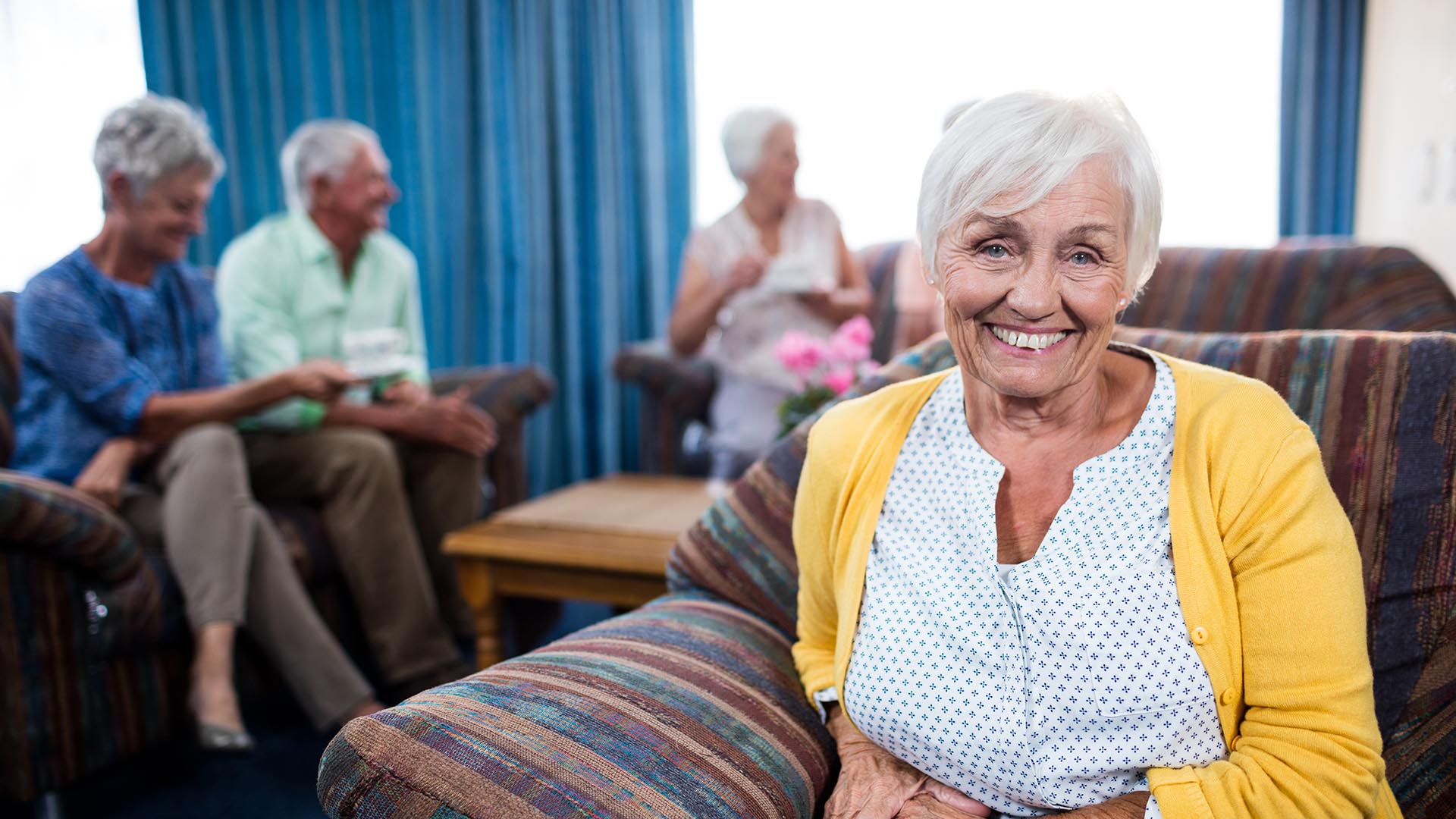
One of the long-term care stories that caught my attention this week focused on how nursing homes are developing more specialized clinical programs to care for residents with increasingly complex needs. Facilities are strengthening capabilities around behavioral health, infection prevention, wound care, IV medications, and other areas that require specialized knowledge, consistent practices, and ongoing staff education.
At the same time, another recent report looked at what older adults want from senior living. While many felt communities do a good job meeting practical needs such as safety, care, and meals, there was a noticeable gap when it came to independence, privacy, choice, and maintaining the routines and relationships that make life feel like their own.
I think those two conversations belong together.
Healthcare is becoming more clinically sophisticated, and that is a good thing. Nursing homes and other long-term care organizations are caring for people with needs that would have looked very different even a decade ago. Residents may be managing multiple chronic conditions, recovering from significant hospital stays, living with dementia or behavioral health needs, or requiring treatments that demand a higher level of clinical knowledge from the care team.
But greater clinical complexity should never make the person less visible.
As organizations build stronger clinical programs, we have to make sure we are equally intentional about preserving dignity, independence, privacy, and choice. A resident may need significant support and still want control over when they wake up, what they wear, how they spend their afternoon, who enters their room, and which routines from home remain part of their day. Those preferences may seem small compared with a complex clinical treatment plan, but they are often the things that help someone continue to feel like themselves.
October is Residents’ Rights Month, which makes this an especially good time to remember that person-centered care is not separate from quality care. It is part of quality care.
This is also where the interdisciplinary team becomes so important. Clinical needs rarely exist in isolation, and neither do personal preferences. Nursing, therapy, social services, dietary, activities, pharmacy, medical providers, direct care staff, and families may each understand a different part of the resident’s story. When those perspectives come together, teams are better positioned to develop care plans that address both clinical risk and quality of life.
At Qsource, we see this connection throughout our work with long-term care organizations. Behavioral health, falls prevention, documentation, MDS accuracy, QAPI, survey readiness, staff education, and interdisciplinary teamwork may look like separate areas on paper, but inside a facility they constantly overlap. A behavioral health concern may affect fall risk. A change in functional status may need to be reflected in the MDS and care plan. A resident preference may influence whether an intervention will realistically work. Strong care depends on understanding those connections.
Education also matters more as resident needs become more complex. Staff need the clinical knowledge to recognize risk and respond appropriately, but they also need the confidence to communicate with residents in ways that preserve dignity and choice. The best training helps people understand both sides of that responsibility.
I believe leaders have an important role in setting that expectation. Specialized services should never become so focused on the clinical task that we lose sight of the individual receiving the care. Leaders can reinforce a culture where teams routinely consider what matters to the resident alongside what needs to happen medically, where resident preferences are reflected in care planning, and where staff understand that protecting independence is part of their job even when a resident requires significant assistance.
There will always be a balance between safety and independence in long-term care, and that balance will look different for every person. The answer is rarely to eliminate all risk or to assume that clinical complexity takes choice off the table. The better approach is to understand the resident well enough to make thoughtful decisions together.
As long-term care continues to expand its clinical capabilities, I hope we measure progress by more than the services we can provide. We should also look at whether the people receiving those services still feel heard, respected, and involved in their own lives.
Because the more complex care becomes, the more important it is to remember who the care is for.
Subscribe to the Qsource Blog
Get emailed articles, guides, and updates.