
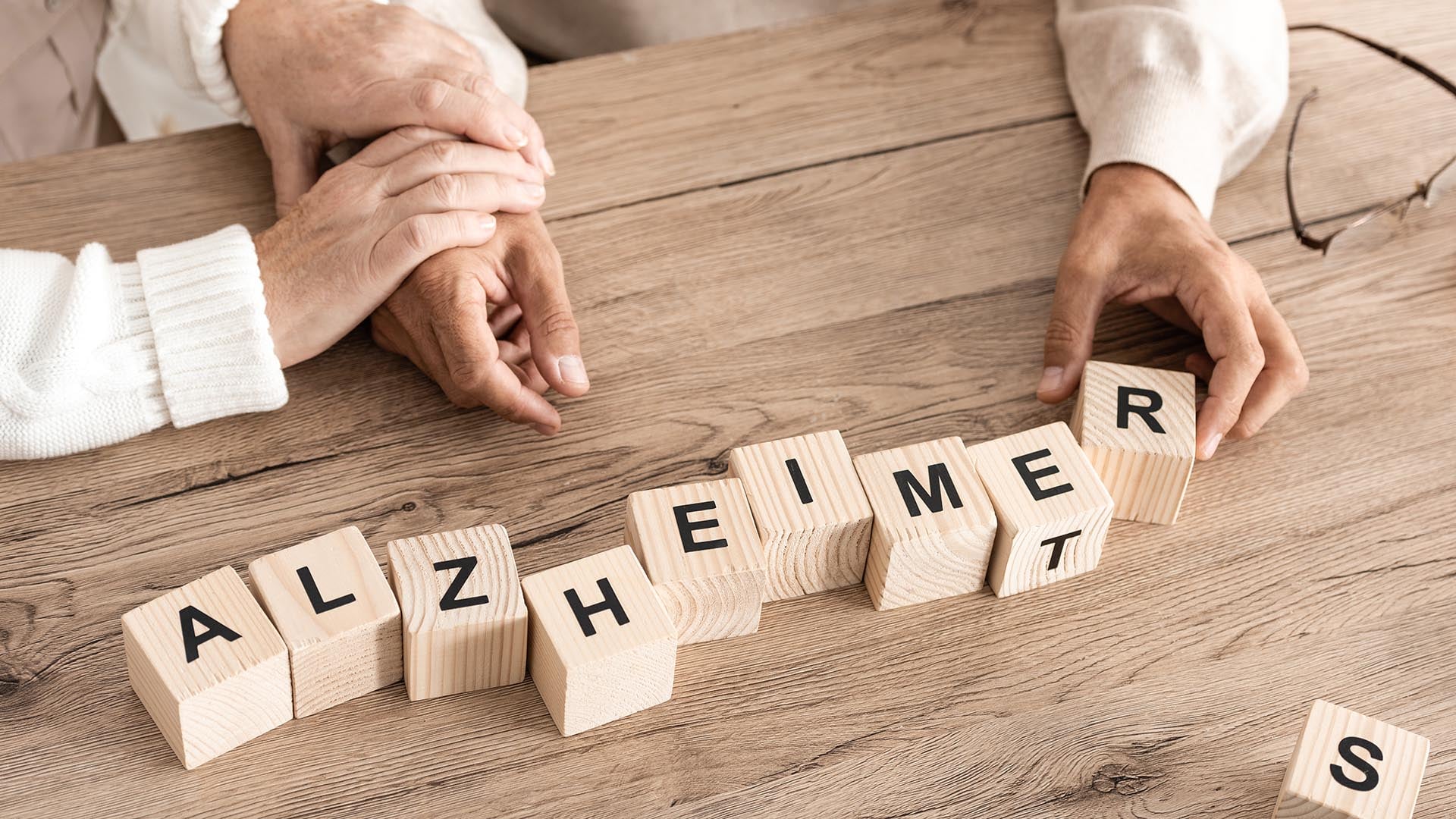
June marks Alzheimer’s & Brain Awareness Month, a time dedicated to increasing understanding around Alzheimer’s disease, dementia, and other cognitive conditions that impact millions of older adults across long-term care.
For nursing homes, these conversations extend far beyond awareness campaigns. Facilities today are managing increasingly complex behavioral health needs while also navigating growing regulatory scrutiny surrounding dementia care, psychotropic medications, resident rights, and quality of life.
One area receiving continued attention from CMS is F744, which focuses on the treatment and services provided to residents living with dementia and other behavioral health conditions.
What Is F744?
F744 addresses whether a facility provides the necessary treatment and services for residents with dementia, mental health conditions, or psychosocial adjustment difficulties to support their highest practicable well-being.
Surveyors evaluate whether facilities:
- appropriately assess behavioral and cognitive needs,
- implement individualized interventions,
- monitor behavioral symptoms,
- evaluate medication effectiveness,
- and provide person-centered care approaches rather than relying solely on psychotropic medications.
The regulation also closely intersects with concerns surrounding unnecessary medications, trauma-informed care, behavioral escalation, and interdisciplinary oversight.
As dementia-related diagnoses continue increasing across long-term care, facilities are facing greater pressure to demonstrate that behavioral health management involves proactive, coordinated care planning rather than reactive intervention after behaviors escalate.
Learn about Our Consulting Services
Why Dementia Care Requires Strong Interdisciplinary Integration
Residents living with Alzheimer’s disease and other forms of dementia often experience changes in communication, mood, sleep patterns, appetite, mobility, cognition, and behavior. These changes may be influenced by pain, infection, medication effects, environmental triggers, unmet psychosocial needs, staffing approaches, or progression of disease.
Because of this complexity, dementia care cannot be managed effectively by one department alone.
Nursing may identify behavioral changes. Therapy may observe declining function. Dietary may notice appetite changes. Social services may recognize psychosocial triggers. Pharmacy may identify medication concerns. Activities staff may observe patterns tied to engagement or routine disruption.
Without strong interdisciplinary communication, these concerns can remain fragmented rather than connected into a coordinated behavioral health strategy.
CMS surveyors increasingly evaluate whether facilities are recognizing these patterns early and implementing individualized interventions before residents experience avoidable decline, distress, or unnecessary psychotropic medication escalation.
The Growing Focus on Psychotropic Oversight
F744 also overlaps closely with ongoing CMS focus surrounding psychotropic medication use.
Facilities are expected to demonstrate:
- ongoing behavioral monitoring,
- gradual dose reduction efforts when appropriate,
- non-pharmacological interventions,
- interdisciplinary review processes,
- and clear documentation supporting clinical decision-making.
Surveyors frequently review whether psychotropic medications are being used as part of a comprehensive behavioral health approach or as a substitute for individualized care planning and staffing support.
This becomes particularly important when facilities experience staffing instability, inconsistent documentation, or communication breakdowns between departments. In many situations, these operational issues can contribute to increased behavioral escalation, avoidable medication adjustments, and heightened survey vulnerability.
 Become a Member Today! |
Qsource is Now Offering a MembershipQsource's Quality Link Annual Membership provides skilled nursing facilities with exclusive trainings, built-in consulting hours, and CEU opportunities. Membership helps your facility stay compliant and deficiency-free!
|
Supporting Residents Through Person-Centered Dementia Care
Alzheimer’s & Brain Awareness Month serves as an important reminder that dementia care involves far more than managing symptoms. It requires understanding the resident’s history, diagnosis, preferences, communication style, routines, emotional needs, and potential behavioral triggers.
Facilities with stronger behavioral health systems often focus on:
- proactive communication,
- interdisciplinary collaboration,
- consistent staffing approaches,
- individualized interventions,
- and ongoing behavioral review processes.
These systems not only support better resident outcomes, but also help organizations strengthen compliance efforts related to F744, psychotropic oversight, and quality of life expectations.
Qsource works with nursing homes to help strengthen behavioral health oversight, interdisciplinary workflows, psychotropic review processes, QAPI integration, and dementia care strategies designed to support both resident-centered care and sustained regulatory compliance.
Book a Complimentary Consultation
Subscribe to the Qsource Blog
Get emailed articles, guides, and updates.